
AN OVERVIEW OF MAKE-UP, HAIR STYLING,
AND PROSTHETICS FOR THE SERIES
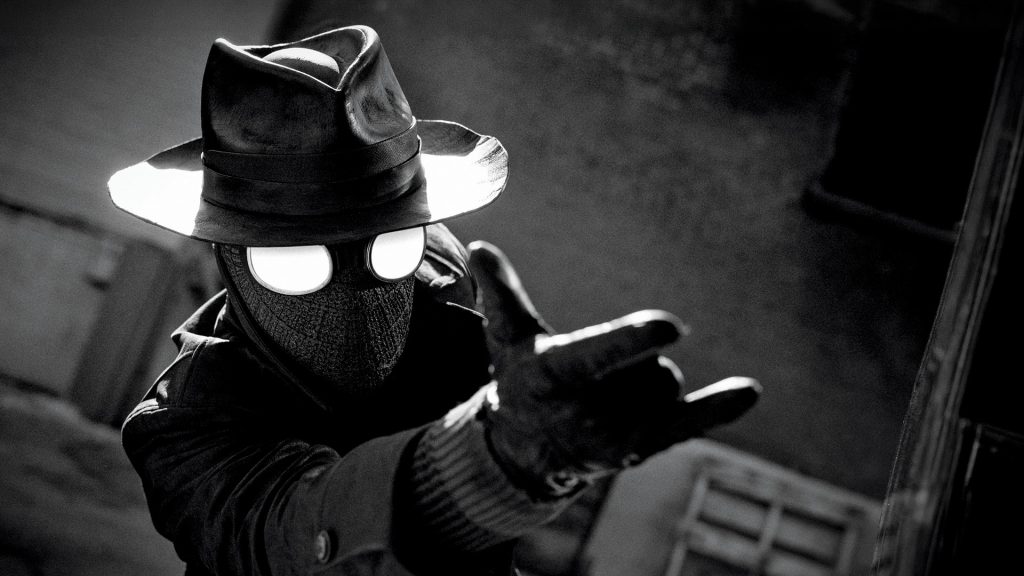
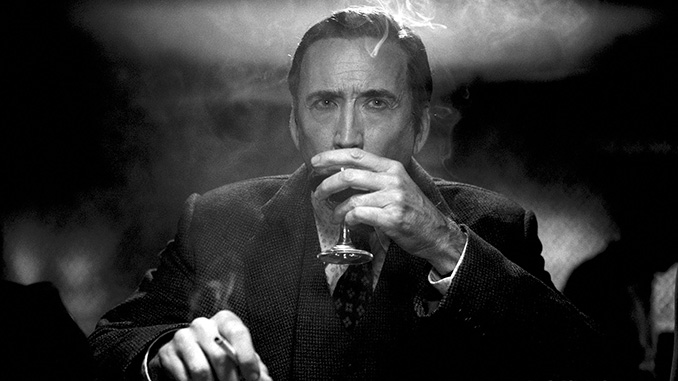
On Spider-Noir, artisans set out to reinterpret the iconic 1930’s aesthetic by balancing historical accuracy with the demands of modern dual-format cinematography, ensuring every look translated seamlessly between black-and-white and color. Rather than strictly replicating period techniques, we studied how vintage make-up and hair styling functioned under harsh lighting and grayscale, then evolved those principles using innovative textures, contouring, and structured designs that preserved contrast without overwhelming contemporary visuals. Supported by early collaboration with cinematography and prosthetics designer Vincent Van Dyke, the result was a grounded-yet-stylized world where classic noir signatures with defined brows, sculpted lips, and expressive waves. The final looks felt authentic, cinematic, and vividly alive across both visual formats.
Lana Horochowski, Department Head Make-Up:
Translating a highly stylized 1930’s make-up look into something that reads beautifully in both black-and-white and color is less about copying the period literally and more about understanding why it looked the way it did on camera—and then adapting that logic to modern cinematography.
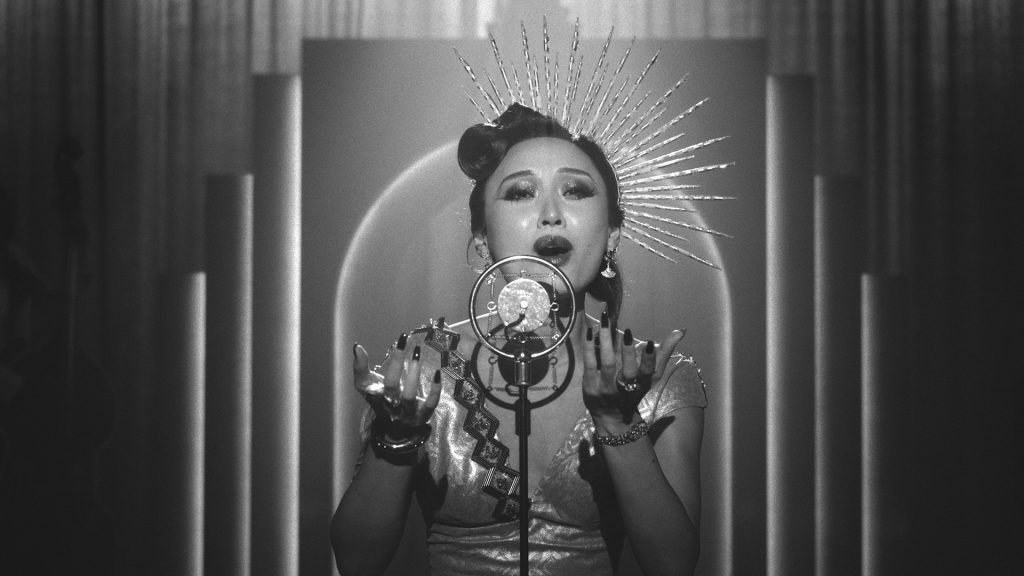
In the 1930s, especially in early Hollywood Golden Age cinema, make-up was engineered for harsh lighting and soft-focus lenses. That’s why you see very specific features: sharply defined brows, sculpted lips (like the “Cupid’s bow”), and high-contrast contouring. But those choices were often technically driven, not purely aesthetic. Regardless, it is how people visually remember that time period, so we went with it. Since we were shooting in color at the same time, we had to test a bunch of different things that could work in both since we shot simultaneously.
So, we came up with our own approach rather than use the old-school techniques
Black-and-white cinematography reduces everything to grayscale, so what matters is contrast and separation. A red lipstick and a brown lipstick might look identical in monochrome if their tonal values match. We needed to use colors that pop in grayscale but didn’t overwhelm in color. We wanted to use products that were as true to the period as we could get but also tricky as those products looked very flat in color. Using metallics on top of lips, cheeks, and eyes really helped because it highlighted the exacts parts of the face which the period matte/flat colors seemed to dull but using product with too much shine and life in them made the faces super shiny and greasy in the color version, so the highlight of actual shimmer and glitter hit the light in the exact right places.
1930’s make-up had signatures:
• Thin, arched brows
• Small precise lips
We wanted to honor that, as well as recognize that these were regular people and not movie stars, so they were doing this themselves to keep the characters looking more grounded.
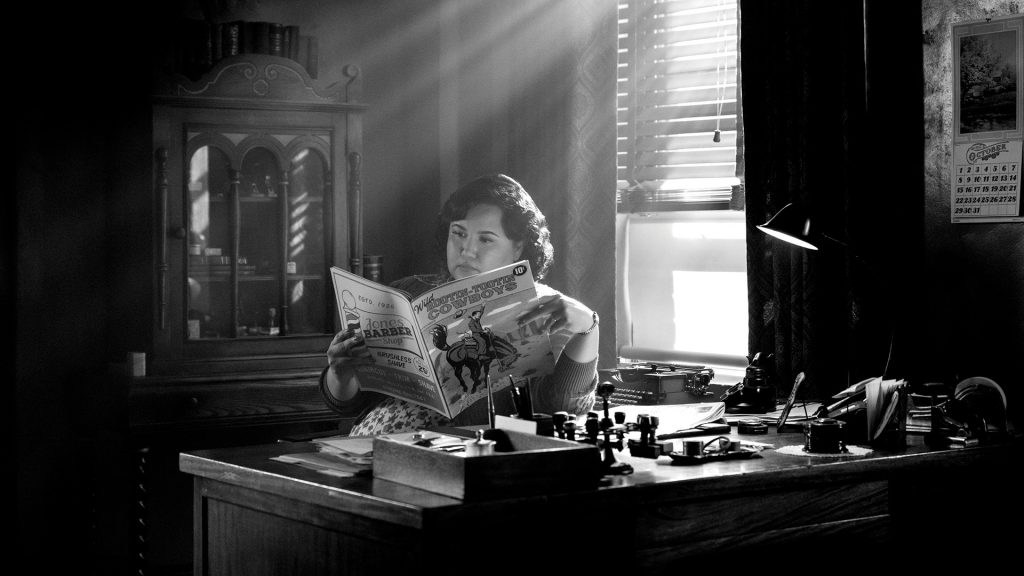
We had several in-depth meetings and camera with our DP, Darran Tiernan, prior to shooting the show because we had to get this exactly right. We used a lot of under painting contour so it didn’t look insane in color but helped define the features in black-and-white. Using the flat matte foundations erased everyone’s features, so we had to put them back in. On the men and women. Funny story: We used very long lashes on the women to pop their eyes and several times the camera department had to relight because the lashes would cause crazy shadow on their faces. I am sure they wanted to kill us but we needed the lashes especially on Cat since she was often performing and always very glamorous.
Theraesa Rivers, Department Head Hair:
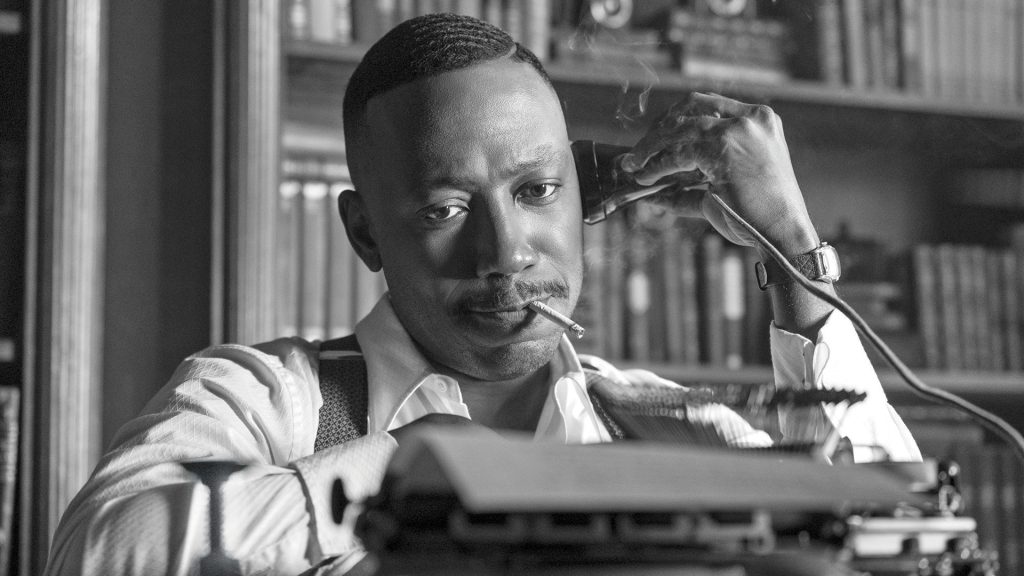
In terms of hair, the goal was to reflect the 1930’s accurately yet have structured styles that will read between the shifts of monochrome and colo,r storytelling. In black-and-white, color disappears but structure and exaggerated waves become magic on the screen. On a grayscale, dark hair with strong waves or definition will read beautifully. Yet in color it can come across as over the top and distracting. Depending on the character in Spider-Noir, this could be beneficial to the character when adding make-up and costumes.
Fortunately, Lana, the Department Head Make-up, and I are friends and have department-headed many projects together. That, in itself, makes it easy to brainstorm and bounce ideas off of each other. Using boards from the costume designer, Lana and I throw out ideas to each other to determine how to make a cohesive look for each character. Throughout the years, we have collected many references and created look books for our departments for quick reference. This research includes photos, movie stills, newspaper articles, and historical documents.
Vincent Van Dyke, Prosthetics Make-Up Designer:
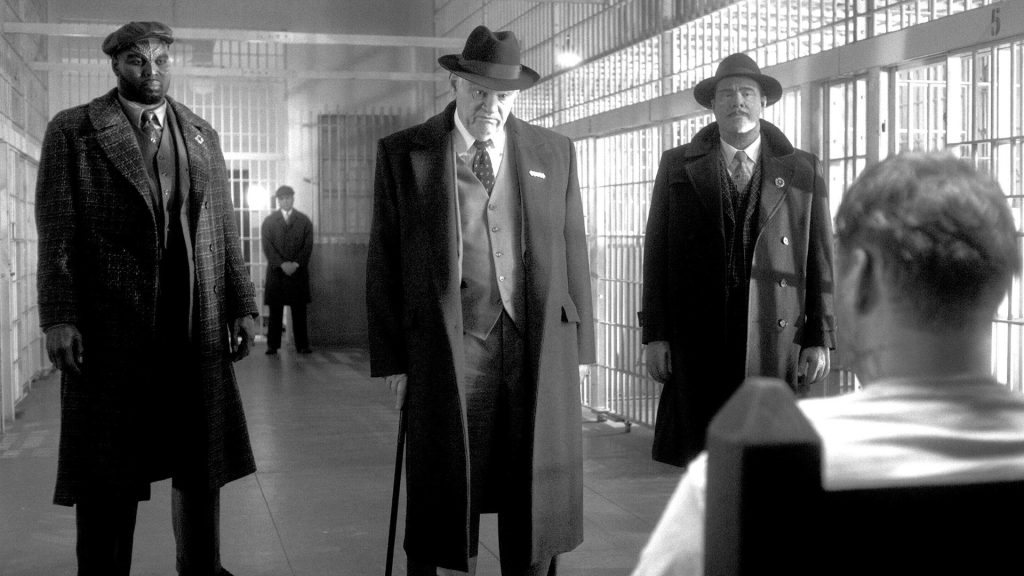
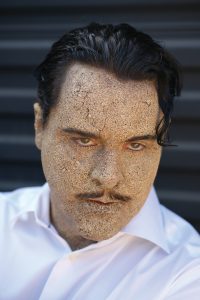
I was brought in early in the process by Department Head Lana Horochowski to be the prosthetics make-up designer for the show. I love old black-and-white Turner Classic Movies (noir-style films), so this iteration of Spider-Man and his universe was really appealing to me. I’m not a superhero or comic book fan in general, but the creative team really wanted this work to be gritty and real. It was super exciting. The first big task was to design and create the Sandman on the wonderful Jack Huston. I wanted this to feel as much like the skin was literally turned into sand as possible, so I knew we needed to do absolute full-coverage prosthetics to alter him texturally but maintain his likeness. He had 10 overlapping silicone facial prosthetics, along with lace eyebrows and mustache and full foam latex gloves. I brought in Chris Nelson to pre-paint the prosthetics, as well as establish the make-up test with us. Chris is a brilliant painter and I knew he would be perfect for this type of look. One of the things we decided on early, was to actually run all of the silicone pieces in a deep rich brown, and quite opaque. This served as a wonderful deepest pit color so that the paint work could really be speckled and dry-brushed onto the exterior in many layers. Jack also wore a variety of smaller pieces for his lead up to this full transformation in different scenes and episodes. Jack’s make-up was applied by a variety of artists on different days, including Ken Niederbaumer, Chris Nelson, Ozzy Alvarez, and Dave Snyder.
Our transformation on Abraham Popoola was a bit more subtle. This look was developed to create some plate-like, almost insect-like exoskeletal forms and shapes beneath the skin surface. His face consisted of a forehead piece, as well as cheeks that blended shy of his natural beard line, as well as tops of hands/arms and under arm prosthetics. He, much like Jack, had progressive stages, as well where modular smaller prosthetics that could be placed anywhere and start to give us the earlier stages. This make-up was headed up by Ken Niederbaumer, who really pushed and developed some great iridescent color schemes and pre-painted all the prosthetics. Ken acted as the make-up effects head on set and worked very closely with me on all these looks. He applied this character, along with Gabriel De Cunto and Steve Prouty. Andrew Lewis Caldwell’s look relied heavily on the idea of veins and circulatory system that was electrified, making the veins have patterning that was quite specifically patterned. We utilized references of people who have been struck by lightning, and sculpted these as raised vein patterns for the arms, neck, and temples. He also had a contact lens that incorporated a bit of this same pattern through one eye that tied into that prosthetic work and hand-painted vein work. His make-up was applied at different times by Ken, Ozzy Alvarez, Jamie Kelman, and Chris Gallaher.
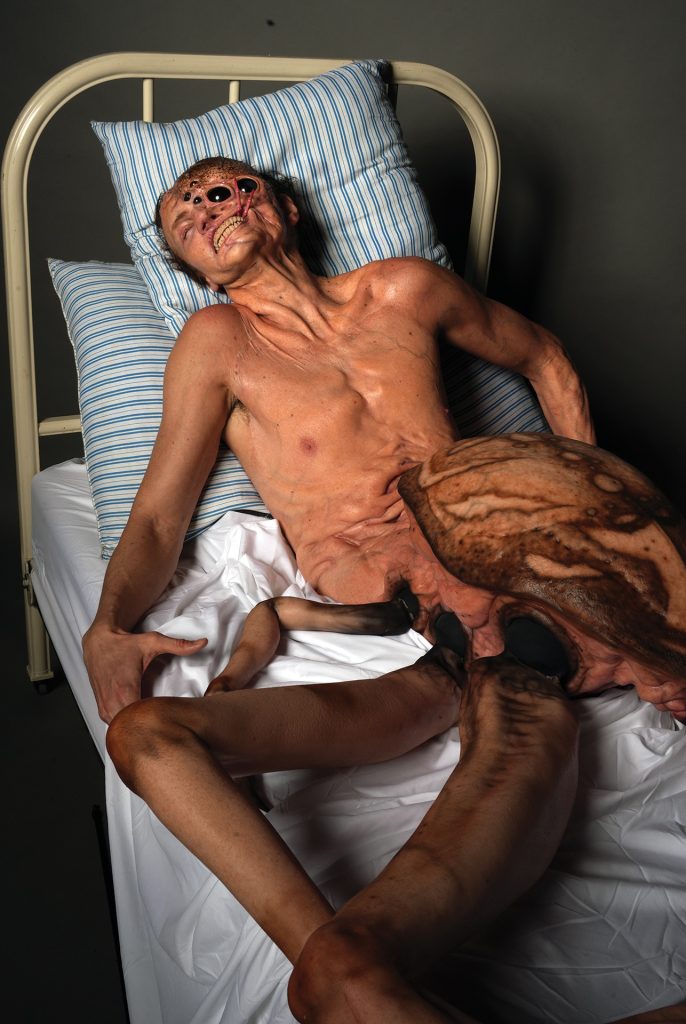
For a flashback sequence when we see Ben Reilly get bitten by a hideous Spider-Man creature in Episode 5, we had the amazing opportunity to transform the glorious Dustin Ceithamer into this look utilizing a variety of techniques. We created 3D-printed molds and cores for the articulated spider legs from digital sculptures. These “legs” ball-socketed into the silicone abdomen piece that was digitally sculpted, but traditionally molded and cored. A silicone chest prosthetic then blended the actor into the abdomen. He then wore a six-piece overlapping prosthetic on his head and neck consisting of silicone and foam latex, along with out-of-the-mouth dentures, a custom lace wig, and brow created by Sasha Camacho Van Dyke. This make-up was done by myself, Gary J. Tunnicliffe, Ken Niederbaumer, Dave Snyder, and Ozzy Alvarez. This show was a massive undertaking for my studio, and I can’t thank my entire crew at VVDFX enough for their hard work and pushing the boundaries of the work we love so much. It takes a massive team to pull off a show like this and I’m lucky to have such immense talent around me. •