by Kazu Hiro | Prosthetic Designer
Photos by Antonio Olmos/Warner Bros. Pictures
The job never gets easier. My agent, Jason Garber, called me about a film then titled Judy. He told me that Alejandro G. Iñárritu wanted to speak with me about a film, starring Tom Cruise.
I have tremendous respect for both filmmakers, and I was curious to see what it would be like to work with them. I read the script, and it was magical. It was one of those scripts you simply cannot put down until you reach the end.
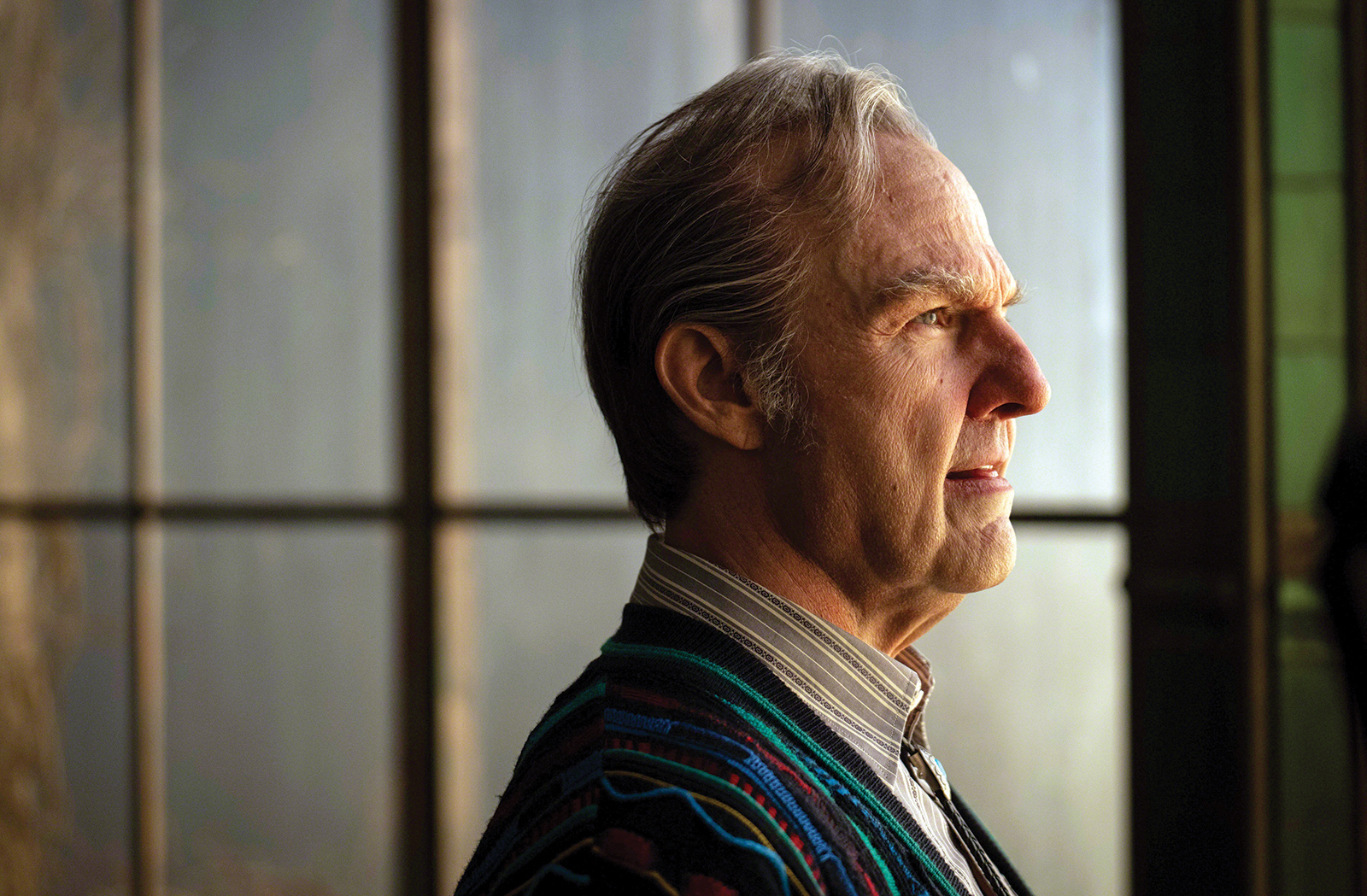
My first meeting with Alejandro took place at a small restaurant in Santa Monica. We talked about the story and his vision for the character of Rockwell, also known as Digger.
I met with Tom in London, where we subsequently scheduled a 3D scan, life cast, and photo session. Both meetings were exciting and intriguing. They are two of the most charismatic and powerful people in the industry. I had heard all kinds of stories about them from different people, so I was a little nervous, too. I started by processing the 3D scan and printing head and body casts. I made the first matrix mold of the head cast myself, using a 3D-printed jacket. As always, Vincent Van Dyke and his crew helped cast the head in plaster and handled the molding and casting of the prosthetics for the make-up test.
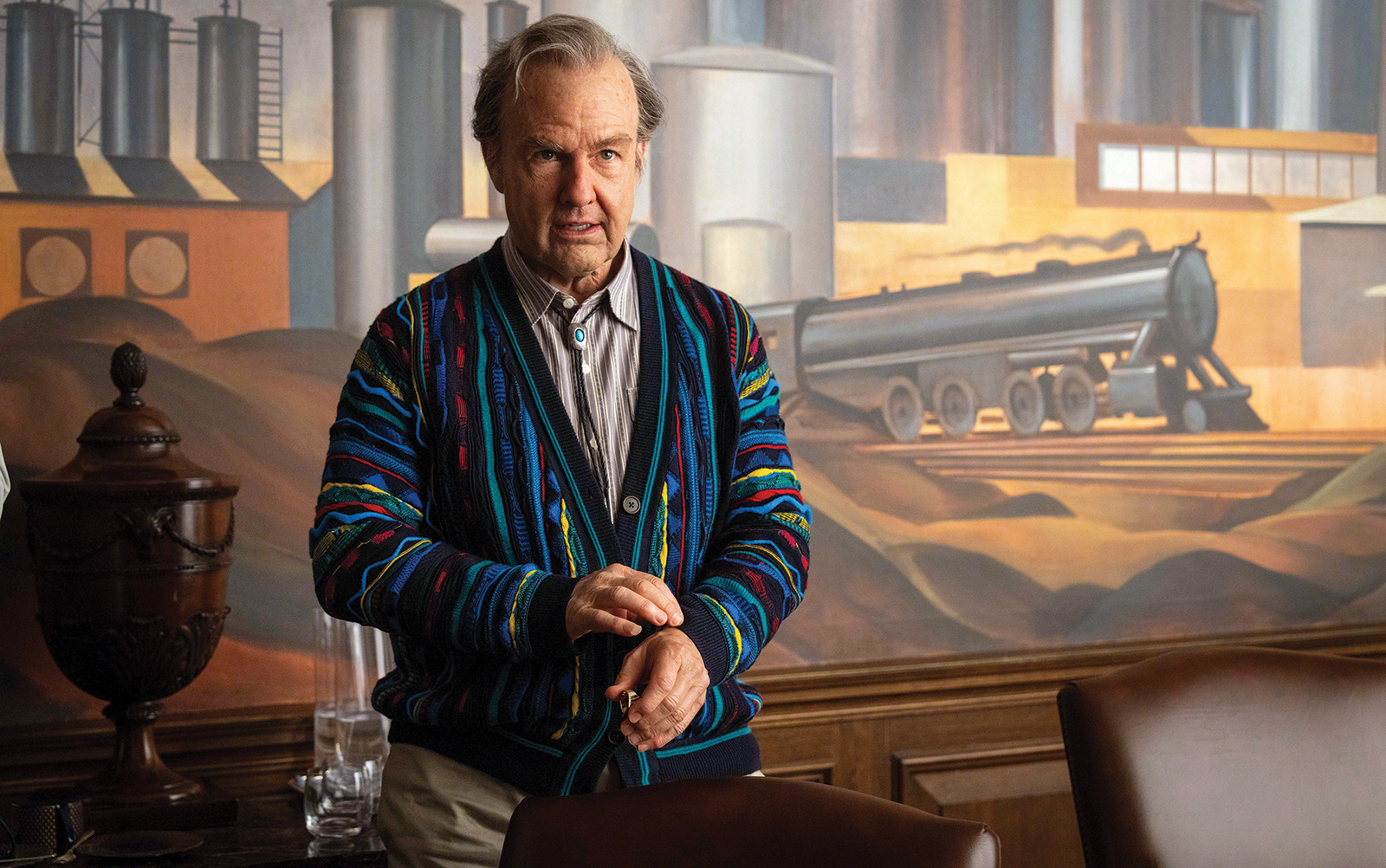
Originally, Digger was supposed to be around 75 years old. I showed Alejandro a sculpture, and he approved it. Then, just a few weeks before the make-up and film tests in London, he called and told me that Digger should be 67 instead.
I thought, okay, I need to sculpt a younger version right away. Alejandro is the kind of director whose mind is constantly generating new ideas. Every time we spoke, he came up with something new. I quickly finished another sculpture and molded it. I asked Diana Choi to make a wig, and Sasha Camacho created several eyebrow pieces for the test.
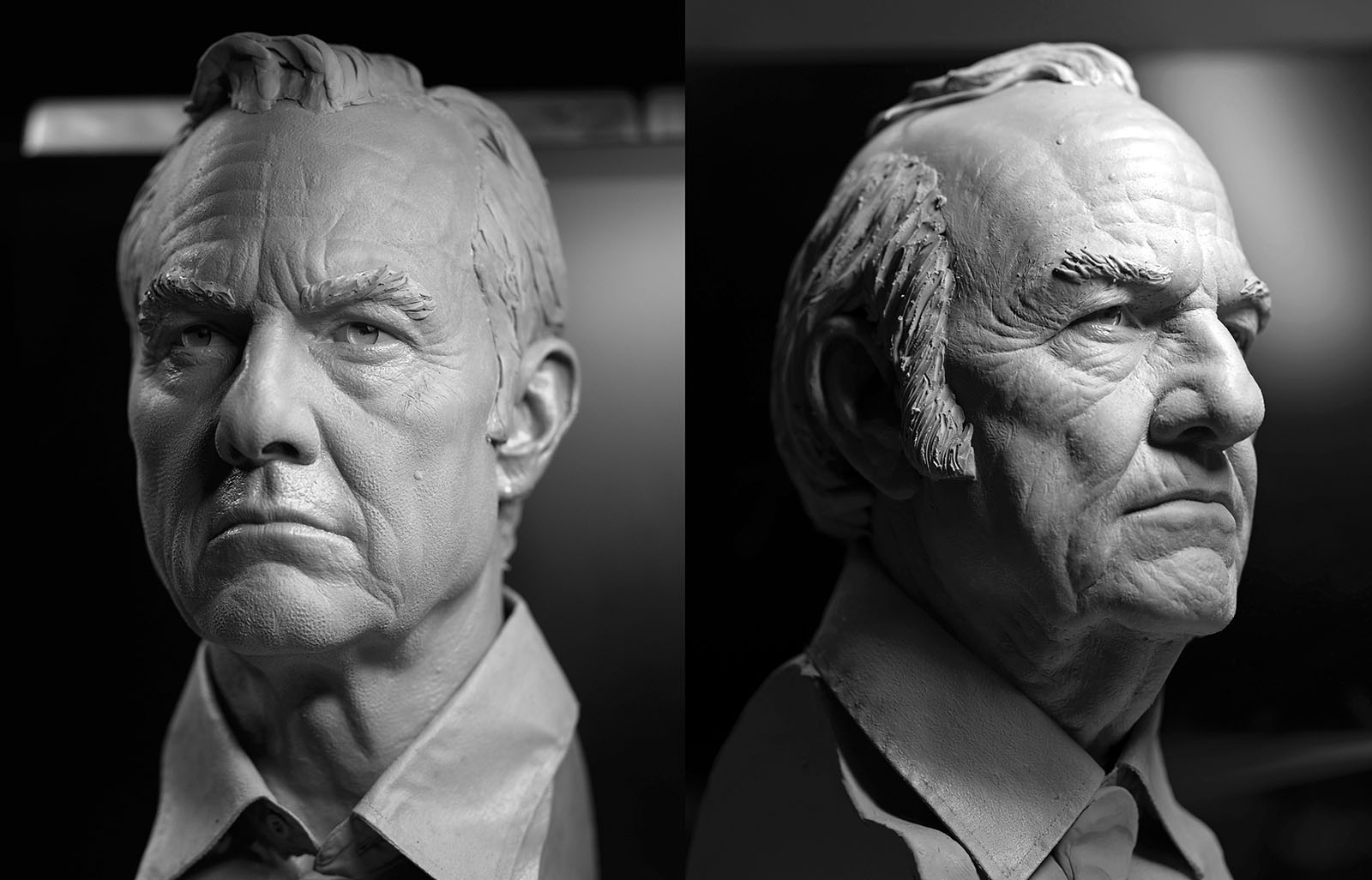 The prosthetics were cast and shipped to London. What was originally supposed to be a film test turned into something much more involved. I spent almost the entire week at Pinewood Studios creating different versions of the character using the available prosthetics, working alongside the legendary cinematographer Emmanuel “Chivo” Lubezki.
That experience gave me a sense of what it would be like to work with the crew on this film.
After the film test, I flew back to Los Angeles and had a Zoom meeting with Alejandro. He presented a completely different idea, so I started working on another design.
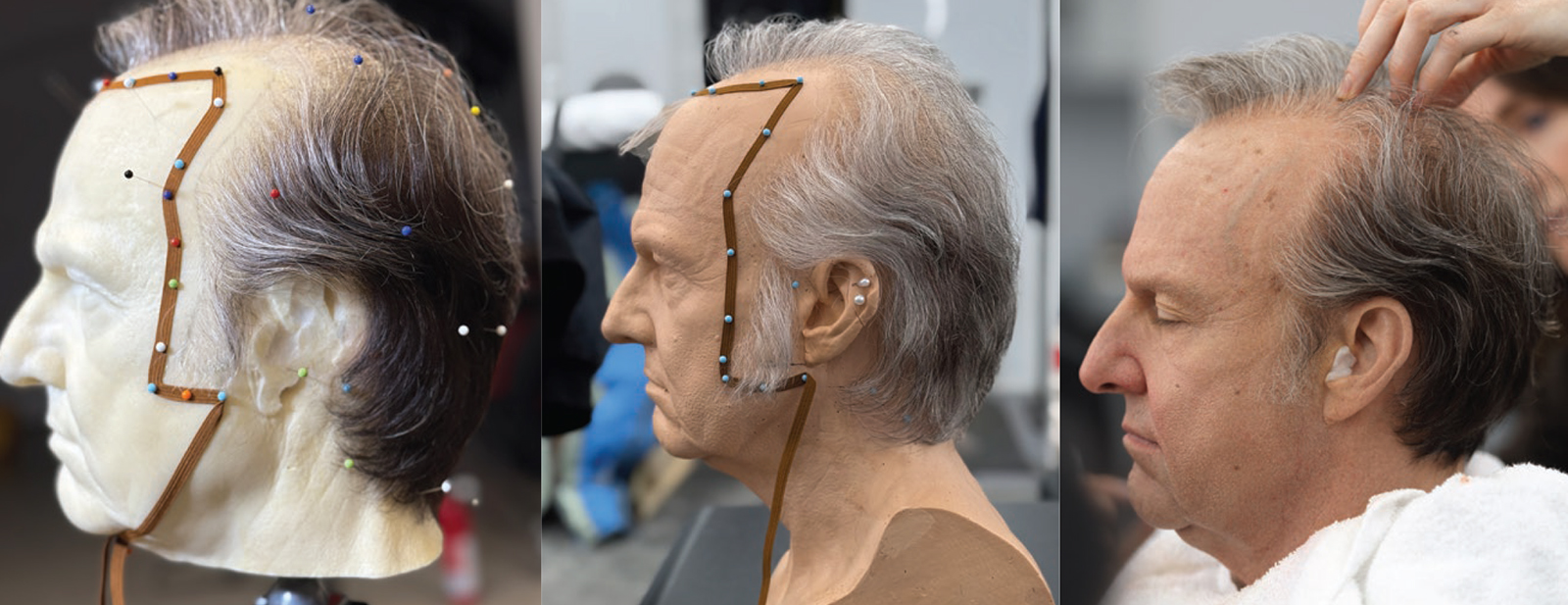 This time, I sculpted the pieces so they could be swapped around and recombined to create different looks. I wanted to be prepared for whatever modifications might come up. Basically, you have to be ready for anything when you work with Alejandro.
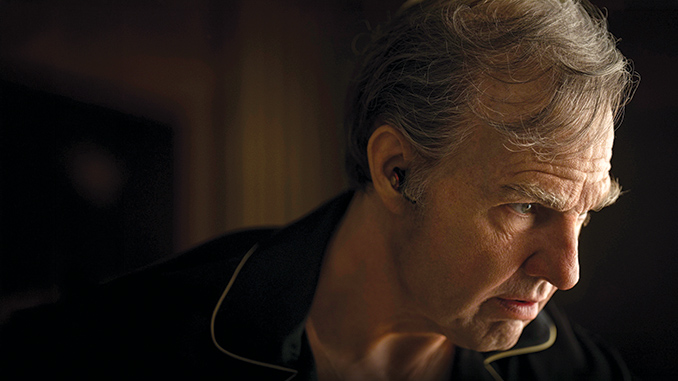
The full story of how we arrived at the final design would take a long time to tell, so I won’t go into every detail. The final design combined elements of the second design with a new nose and forehead from the third. It consisted of seven pieces: a plastic bald cap, a silicone bald cap, a forehead, left and right cheeks, a nose, and a lower lip, chin, and neck piece combined.
I asked DDT in Barcelona to cast the silicone prosthetics for the actual production. VVD Effects shipped all the molds to Barcelona, and I visited David and Montse at their shop to establish the casting process.
Then Tom suddenly decided he wanted to wear the make-up throughout the entire rehearsal period.
I ended up traveling to DDT several times because we needed duplicate molds to produce enough pieces for both rehearsals and filming. The rehearsal period lasted about a month, so we had to cast enough prosthetics well ahead of the shooting schedule.
Our producer was Michael Sharp, one of the best producers I have ever worked with. He was incredibly considerate, and we had many conversations about all kinds of things. He helped keep the entire crew together through a very challenging production.
We were concerned about the risks of applying the make-up every day, especially since Tom would be wearing it almost daily for four months.
During rehearsals, Alejandro added two more character looks. One was for Riz Ahmed, which involved a nose and bald pate. The other was an older version of Digger, around 90 years old, who would appear at the end of the film.
They asked me to stay in London, apply the make-up every morning, and spend the afternoons designing these additional characters.
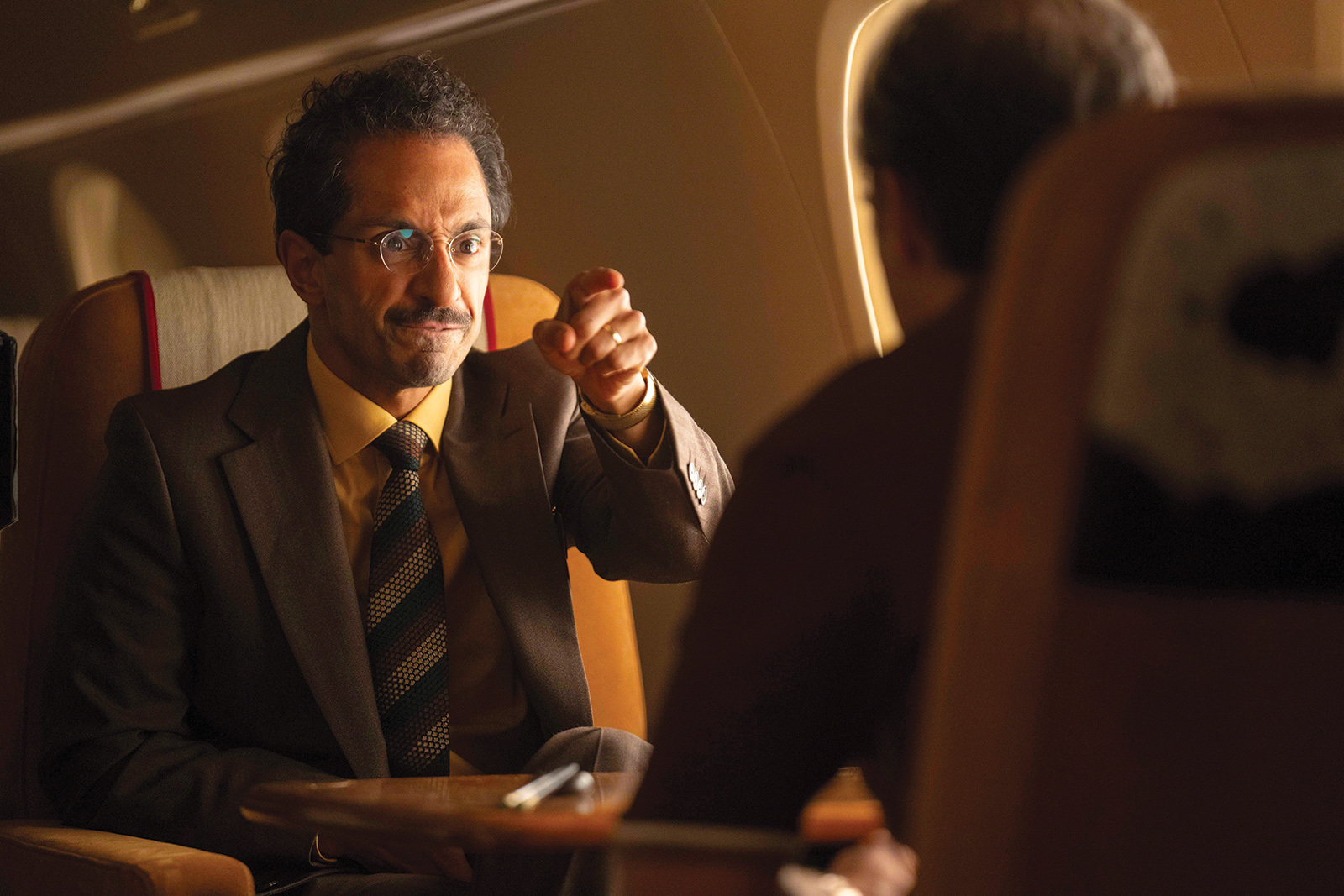
I’m very hands-on when it comes to character design, so I explained that it would be impossible for me to handle both the daily make-up applications and the design work at the same time. I would need a separate shop in the studio and additional crew members to help me. Even then, considering everything happening each day, I wasn’t sure I could physically and mentally make it through the entire production.
After a lot of discussion, we decided to hire local make-up artists. The make-up team came together with Sunita Parmer, Olivia Jerrard, and Jess Brooks. I trained them throughout rehearsals and into the filming period. Steven Murphy applied Riz’s make-up, while David Malinowski pre-painted the prosthetic pieces. Siso Svilen Georgiev helped us as a production assistant. Amy Byrne and Jennifer Harling, Tom’s personal make-up artist and hair stylist, also assisted with the application and removal of the prosthetics.
It was a big team. We also brought in Dominic Mombrun to make thin veneer dentures to age Tom’s teeth. Tom’s body needed aging as well. I sculpted half the life-size body on the 3D printed body form and enlarged in computer and extracted the padding then 3D printed them. Then pieces were molded to cast in foam latex. Initially, we made body padding, but for a scene showing his upper body, I asked Vincent to create a silicone prosthetic version of the bodysuit based on the design. During the fitting, we had the body padding that had already been approved, but I also brought along the silicone prosthetics. Tom looked at them and said, “I want to feel the weight. I want to wear those silicone body every day.”
I asked him, “Are you sure? They’re very heavy, and they get very hot, too.” He replied, “I’m an athlete. I’m training every day. I can handle it.” “Okay, if you want,” I said.
I then asked Tahra Zafar to make a strong spandex bodysuit base to support the heavy silicone prosthetics. Once the pieces were cast, David Malinowski glued them onto the base. The first test application of the initial design took less than five hours. We were still figuring things out, learning how Tom would be in the make-up chair, and working with a design that had more pieces than the final version. And cutting and trimming a wig, etc. David Martí helped me with that application.
The second application took three and a half hours. By the time we entered rehearsals, we had reduced the process to two and a half hours.
But once filming began, Tom wanted us to work even faster. His assistant recorded the time required for every step, including how long it took to apply each prosthetic piece. He compared the times with those from the previous day and our fastest application to date, announcing the details as we worked. Sometimes Sunita, Olivia and Jess managed to get the application down to one hour, but that came at the expense of quality.
It’s easy to slap on the pieces and finish quickly, but that wasn’t what we were trying to achieve. Our goal was to deliver quality, not just speed.
When designing a prosthetic make-up application, I always consider the entire process, including the hair, to minimize the time an actor needs to spend in the chair. Ideally, I aim for two to two and a half hours, and generally no more than three and a half for more complicated design, unless the make-up involves the entire body.
Every day, I was running around trying to figure out solutions. Looking back, much of what happened each day is a blur. For the first time in my career, I found myself lying in my hotel room in London before going to sleep, fantasizing about getting fired.
Once filming began, I was on set during the initial stages to make sure everything was going smoothly. At the same time, I had to design Tom’s second-stage look before moving on to the 90-year-old version of Digger. I was flying back-and-forth between Los Angeles and London to develop additional make-up designs and oversee applications on set.
The second-stage look was older and scruffier. We used a different wig, different eyebrows, and hand-laid stubble. Diana made three wigs for the first-stage look, two for the second-stage look, and one for the 90-year-old version.
While developing the 90-year-old look, I stayed in constant communication with the make-up artists on set to make sure everything was going well. It was a very difficult shoot for them, and hearing about what they were dealing with every day made the process even more challenging.
Then, just as I was finishing the 90-year-old look, Alejandro called me. The entire sequence including the 90-year-old version of Digger, had been cut from the script because the story had changed.
At that moment, I stopped finishing that make-up design. The make-up and hair designer for straight make-up was Alessandro Bertolazzi, who had a wonderful crew, including Liz Ann Bowden, Claire Burgess, and many others.
In the end, the entire experience was extremely difficult and demanding. Working with two giants like Alejandro and Tom pushed me in ways I had never experienced before. But it was also inspiring and educational.
If you can work with them, everything else feels a little easier. Not because the job itself becomes easy, but because working with them teaches you so much about filmmaking, collaboration, and what it takes to deliver under pressure.
The long hours, demanding schedule, technical challenges, and expectation of delivering good work every single day are never easy. Last, I would like to thank prosthetic studio supervisor, Vincent Van Dyke, and his amazing prosthetic fabrication crew. •